Enhanced Due Diligence Attributes
In an increasingly complex and regulated business landscape, organizations face the imperative of thoroughly vetting their clients, transactions, and business relationships to mitigate potential risks. Enhanced Due Diligence (EDD) has emerged as a critical process that goes beyond standard customer due diligence (CDD) or know-your-customer (KYC) procedures, enabling organizations to take a more comprehensive and rigorous approach to risk management.
The key attributes of an effective EDD process are as follows:
1. Risk-Based Approach
The foundation of EDD is a risk-based methodology, where the depth and scope of the investigation are commensurate with the identified level of risk. Organizations must first assess the risk factors associated with a client, transaction, or business relationship, such as the industry, geographic location, ownership structure, and any potential red flags. This risk assessment then informs the level of scrutiny and the specific EDD measures that should be undertaken.
2. Comprehensive Information Gathering
EDD involves the collection and verification of a significantly broader and more detailed set of information compared to standard CDD or KYC processes. This can include financial records, ownership structures, management team details, public records, and any other relevant sources that can provide insight into the subject’s background and activities. The goal is to build a comprehensive understanding of the client or transaction, going beyond the surface-level details.
3. Rigorous Background Checks and Investigations
A core component of EDD is the in-depth background checks and investigations conducted on the individuals and entities involved. This includes directors, shareholders, and key personnel, with a focus on uncovering potential criminal, regulatory, or reputational issues at both the individual and organizational levels. Specialized investigative techniques, such as offshore asset searches, litigation checks, and media/social media reviews, are often employed to gather a deeper level of intelligence.
4. On-Site Verification
EDD often requires on-site visits to the client’s or target company’s facilities to observe operations, interview key personnel, and validate the information provided. This on-the-ground assessment can reveal insights that may not be evident from document-based reviews alone, helping to corroborate the data gathered through other means.
5. Financial and Operational Analysis
A comprehensive review and analysis of the client’s or target company’s financial statements, tax filings, and other relevant financial records are conducted as part of the EDD process. This includes assessing the organization’s financial health, cash flow, profitability, and any potential financial risks or irregularities. Additionally, the operational aspects of the business, such as supply chain, customer/supplier relationships, and overall business model, are thoroughly evaluated.
6. Legal and Regulatory Compliance Review
EDD encompasses a thorough review of the client’s or target company’s legal and regulatory compliance, including any pending litigation, regulatory investigations, or sanctions. This helps identify potential legal, regulatory, or compliance risks that may impact the organization and its relationship with the subject of the EDD.
7. Ongoing Monitoring and Reporting
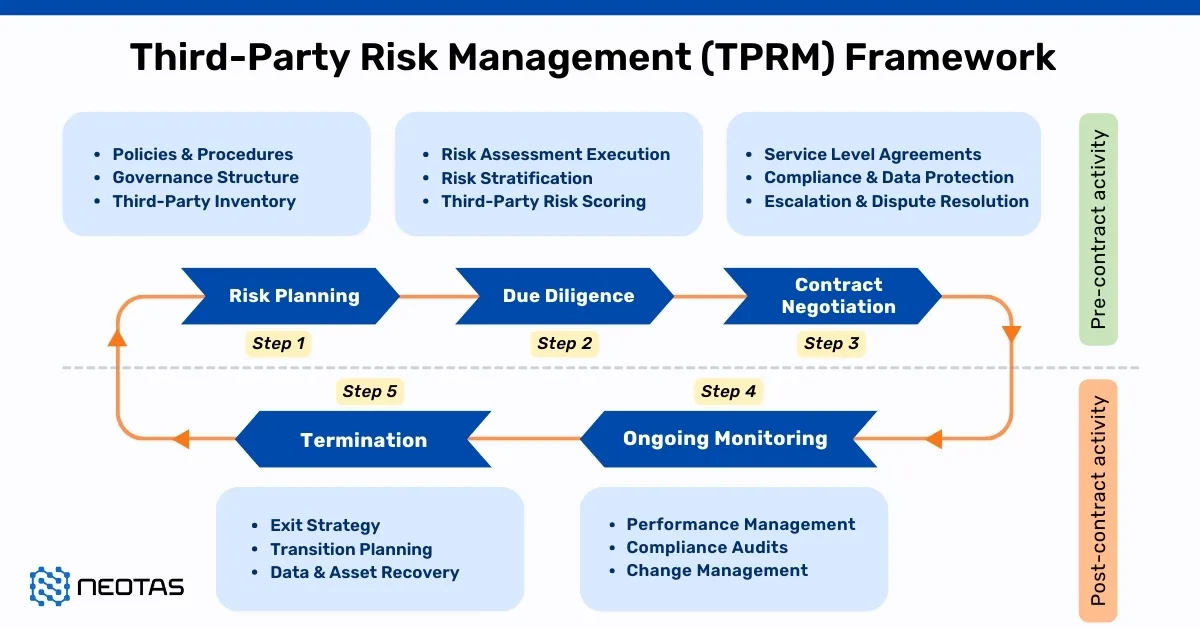
EDD is not a one-time exercise; it requires the implementation of robust ongoing monitoring and review processes to ensure that the risk profile remains current and any changes are promptly identified and addressed. Detailed reporting on the EDD findings and recommendations is also crucial for decision-making and demonstrating due diligence to regulatory authorities or other stakeholders.
By incorporating these key attributes, organizations can develop a comprehensive and effective EDD process that enables them to:
1. Identify and mitigate higher-risk situations more effectively, reducing their exposure to potential legal, financial, and reputational risks.
2. Align with regulatory requirements and industry best practices, demonstrating a commitment to compliance.
3. Make more informed decisions about client relationships, transactions, and business partnerships.
4. Protect their reputation and maintain the trust of stakeholders, such as customers, partners, and the broader public.
In today’s complex business environment, enhanced due diligence has become an essential tool for organizations seeking to navigate the challenges of risk management with confidence and integrity. By embracing a comprehensive EDD approach that incorporates these key attributes, organizations can position themselves for long-term success and sustainability.