
Provision 29 – UK Corporate Governance Code
A Practical Operating Framework for Investment Leaders
Standardise Diligence. Quantify Regulatory Friction. Engineer Post-Deal Performance for Outsized Returns.
Private markets are changing faster than ever. Investment teams across private equity, venture capital, and corporate development are navigating a landscape shaped by heightened regulatory scrutiny, geopolitical uncertainty, and rapid shifts in corporate behaviour. Against this backdrop, leaders are looking for operating frameworks that help them consistently evaluate deals, understand true risk exposure, and build performance momentum after closing.
As organisations adapt to evolving governance expectations, many are now integrating learnings from the UK Corporate Governance Code, particularly the focus brought in through Provision 29. Although Provision 29 is targeted at public companies, its underlying principles of control effectiveness, risk transparency, and evidence-led assurance are increasingly being adopted by institutional investors to strengthen diligence and post-deal monitoring.
This article outlines a practical framework for investment leaders seeking a modern, intelligence-driven approach to risk, diligence, and value creation. The full PDF offers templates, workflows, and detailed guidance to put this approach into practice.
Why a Unified Operating Framework Matters Now
Every investment decision is only as strong as the clarity behind it. Yet many firms struggle with:
-
Inconsistent diligence processes that vary across deal teams and sometimes across deals within the same fund.
-
Regulatory friction, amplified by complex global compliance demands, evolving ESG expectations, and increased scrutiny following updates to governance frameworks like the UK Corporate Governance Code.
-
Weak post-deal monitoring, often limited to periodic reporting, leaving behavioural, reputational, and regulatory risks unnoticed until they become value-destroying events.
Notably, Provision 29 elevates the importance of evidence, control assurance, and transparency. Forward-thinking investment teams are incorporating these principles to create more robust investment and value-creation models.
What follows is a concise, practical structure that any investment organisation can adopt.
Part 1: Standardise Diligence
The strongest investment teams operate with consistency. Standardisation is not rigidity; it is clarity. It ensures deal teams produce comparable insights, regardless of geography, sector, or timeline.
1. Build a Unified Diligence Architecture
Traditional diligence often happens in silos: financial, commercial, legal, cyber, ESG, leadership, and reputational. Each uses different formats, tools, and quality standards.
Unifying these streams into a single diligence architecture gives every decision-maker a shared view of:
• Key risk themes
• Diligence depth
• Material issues
• Deal-critical unknowns
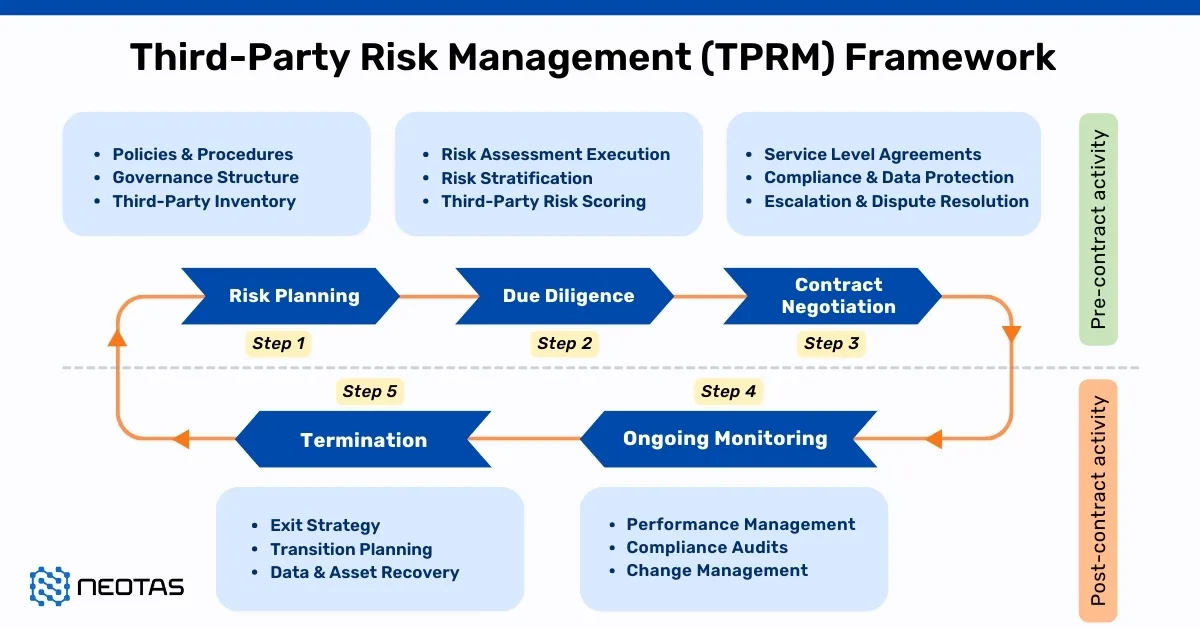
This also mirrors the direction set by the UK Corporate Governance Code, which emphasises structured risk management and transparency across leadership, culture, and controls.
2. Incorporate Intelligence-Led Diligence
Modern diligence must go beyond disclosed documents. Intelligence-led diligence uncovers what is discoverable, not just what is shared.
OSINT-powered insights help identify:
• Leadership behaviours
• Political, sanctions, or legal associations
• ESG vulnerabilities and controversies
• Social media patterns and reputational signals
• Indirect relationships that might affect the deal
These are precisely the types of insights emphasised in due-diligence guidance frameworks globally. They reflect the same spirit as Provision 29, which requires organisations to validate risks with external evidence.
3. Apply Risk Scoring Early
A structured, upfront risk-scoring model helps deal teams quickly identify where to deepen diligence and where to accelerate.
Score categories should align with real-world exposures:
• Behavioural and leadership integrity
• Operational resilience
• ESG compliance
• Financial crime risk
• Network intelligence
• Reputational trajectory
By quantifying the likelihood and impact of these risks early, investment committees gain sharper clarity and faster decision-making.
Action Step:
Create a unified diligence scorecard for all new deals. Ensure the scoring categories mirror risk principles embedded in the UK Corporate Governance Code to maintain governance alignment.
Part 2: Quantify Regulatory Friction
Regulatory friction is no longer a footnote in diligence; it is a primary variable that influences timeline, cost, and deal viability.
1. Map Jurisdictional Risk Early
Each geography introduces regulatory nuance. Create a jurisdictional risk map that captures:
• AML and sanctions expectations
• Beneficial ownership complexity
• ESG reporting obligations
• Anti-bribery and corruption rules
• Human rights or modern slavery requirements
This aligns strongly with the governance philosophy behind Provision 29, which calls for continuous monitoring of controls and regulatory exposures.
2. Consolidate Risk Data Into a Single View
Fragmented systems slow down regulatory checks. A unified risk dashboard that shows sanctions status, adverse media insights, litigation signals, ESG controversies, and beneficial ownership trails gives deal teams immediate clarity.
This reduces surprises, accelerates onboarding, and enables more accurate valuations.
3. Make Regulatory Friction a Deal Variable
Investment committees should treat regulatory friction as a measurable component of the deal thesis.
Typical variables include:
• Likelihood of delay due to compliance checks
• Cost impact of remediation
• Exposure to multi-jurisdictional oversight
• Sensitivity to ESG, sanctions, or cultural risk
This also aligns with the risk-evaluation mindset embedded in the UK Corporate Governance Code, which encourages structured assessment of key risks and their potential impact.
Action Step:
Introduce a “Regulatory Friction Index” in your IC memo. It will immediately improve your underwriting discipline.
Part 3: Engineer Post-Deal Performance
Most firms excel at underwriting and falter at monitoring. The organisations that outperform are the ones that treat intelligence as a continuous operating input.
1. Build a Post-Deal Intelligence Layer
Extend pre-deal insights across the full investment timeline. Monitor:
• Leadership behaviours and cultural shifts
• ESG indicators
• Reputational signals
• Supplier and third-party risk
• Cyber exposure and operational resilience
• Sanctions or regulatory updates
This reflects the principle of continuous assurance embedded in Provision 29, which underscores the importance of ongoing evaluation of controls.
2. Align Monitoring to the Value Creation Plan
Monitoring is most powerful when aligned to the core value drivers of the deal.
Examples:
• Tech deals require cyber and IP intelligence
• Manufacturing requires environmental and supply chain oversight
• Healthcare requires regulatory vigilance and adverse-event monitoring
Intelligence equips operating partners to intervene early and steer value creation with greater precision.
3. Use Intelligence to Strengthen Governance
Investors increasingly face expectations similar to those under the UK Corporate Governance Code: clear oversight, structured reporting, and evidence-backed decision-making.
Continuous intelligence improves:
• Portfolio dashboards
• Board reporting
• LP transparency
• ESG disclosures
• Exit documentation
It provides not just information but assurance – the same expectation underpinning Provision 29.
Action Step:
Run a 90-day post-close risk recalibration. Compare intelligence signals with your original investment thesis to ensure alignment and early remediation.
Why Intelligence-Led Operating Models Outperform
The deals that go sideways rarely fail because of financial modelling. They fail because teams missed behavioural risk, cultural red flags, regulatory exposure, or network signals too late in the cycle.
An intelligence-led operating model brings:
• Clearer decision-making
• Faster diligence
• Stronger governance
• Lower risk exposure
• Better portfolio resilience
• Higher exit readiness
It is the natural next step for firms looking to embed the principles of the UK Corporate Governance Code – especially the evidence-driven spirit of Provision 29 into their investment discipline.